
The refrigerator is one of the most indispensable appliances in any household, quietly working around the clock to keep food fresh and safe. Its continuous operation means that even minor issues can quickly escalate into costly repairs or, worse, food spoilage and unexpected emergencies. When a refrigerator breaks down, the disruption is immediate—meals are compromised, groceries can be wasted, and the need for urgent freezer repair becomes all too real.
Yet, many homeowners overlook the importance of regular refrigerator maintenance. Unlike some appliances that see only occasional use, your fridge is always on, making it especially vulnerable to wear and tear. Neglecting its care can lead to reduced efficiency, higher energy bills, and a shorter lifespan for the appliance as a whole. Over time, the accumulation of dust, debris, and minor faults can balloon into serious malfunctions that require professional appliance repair.
The good news is that most refrigerator issues can be prevented with a few simple maintenance routines. Investing a small amount of time every few months to clean and check key components can dramatically decrease the likelihood of breakdowns. In turn, this proactive approach saves money, prevents stress, and helps your refrigerator run smoothly for years to come. Ultimately, a well-maintained fridge not only protects your food but also your household budget and peace of mind.
To keep your refrigerator and freezer in top shape, it’s important to understand the components that enable their efficient operation. Three of the most critical parts are the condenser coils, condenser fan, and door gasket—each playing a distinct role in maintaining optimal temperatures and energy efficiency.
The condenser coils are responsible for releasing the heat that the refrigerator absorbs from its interior. When these coils become clogged with dust, pet hair, or kitchen debris, they can’t efficiently dissipate heat, causing the compressor to work harder. This overexertion not only increases your energy costs but also raises the risk of a breakdown, leading to potential emergency freezer repair.
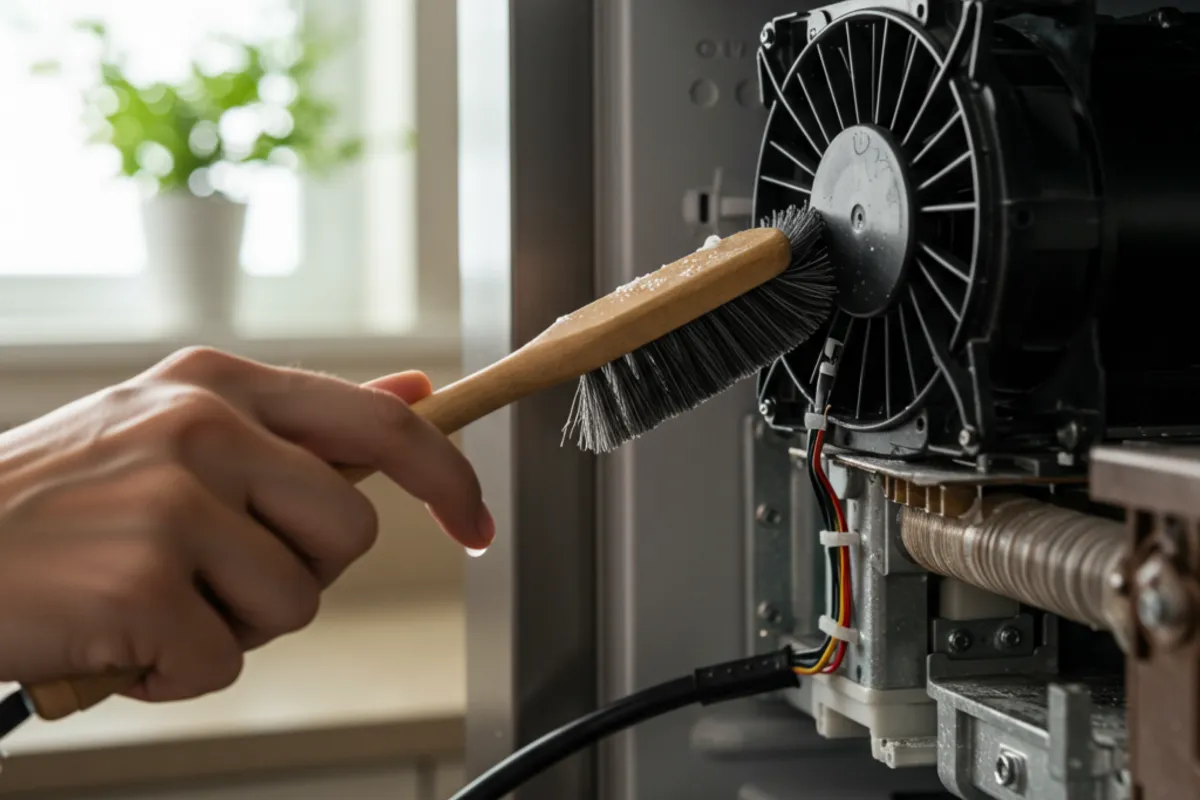
The condenser fan, located near the compressor, ensures proper air circulation over the coils. If the fan is obstructed by debris, it can stall or reduce airflow, causing the appliance to overheat and underperform. This can lead to uneven cooling, noisy operation, and even system failure.
Equally important is the refrigerator’s door gasket—the flexible seal that runs along the edge of the door. Its job is to keep cold air inside and warm air out. If the gasket is dirty or damaged, it can allow air leaks, making the fridge work overtime to maintain the correct temperature. This not only reduces efficiency but can also result in higher electricity bills and an increased need for appliance repair.
By understanding the function and importance of these components, homeowners can better appreciate why regular cleaning and inspection are vital. Taking care of coils, fans, and gaskets helps prevent common issues and keeps your appliance functioning reliably.
Regular maintenance may sound daunting, but with a simple routine, you can keep your refrigerator running efficiently and avoid unexpected appliance repair calls. Here’s a practical, step-by-step guide to essential refrigerator care:
1. Cleaning the Condenser Coils:
Start by unplugging your refrigerator to ensure safety. Locate the condenser coils—these are usually behind a grille at the bottom front or at the back of the unit. Using a coil cleaning brush (available at most hardware stores), gently remove dust, pet hair, and debris. Be careful to avoid bending any nearby fan blades. After brushing, vacuum the area to pick up any loose dirt. For households with pets, check coils more frequently, as fur can quickly accumulate.
2. Cleaning the Condenser Fan:
With the power still disconnected, locate the fan near the compressor, typically at the back of the refrigerator. Use a soft brush to clean the fan blades, the motor area, and the space where debris tends to collect. Finish by vacuuming the area to ensure all dust is removed. Return the cover or grille before plugging the refrigerator back in.
3. Door Gasket Care:
Inspect the door gasket for dirt, sticky spills, or signs of wear. Wipe the gasket with a sponge or cloth dampened with warm water—avoid harsh detergents, as these can degrade the material. Regular cleaning helps maintain the seal, preventing energy loss and keeping your fridge’s interior at the right temperature.
4. Routine Interior Cleaning:
Remove shelves and drawers as needed, washing them with mild soap and warm water. This not only keeps your fridge hygienic but also prevents odors and potential mold growth.
Consistent, simple maintenance like this can prevent most refrigerator problems, ensuring your appliance operates efficiently and reliably. Always remember to unplug your fridge before performing any cleaning or maintenance to stay safe.
Setting and maintaining the right temperature in your refrigerator and freezer is crucial—not just for keeping your food fresh, but also for running your appliance efficiently and extending its service life. The ideal refrigerator temperature is between 3°C and 4°C (38°F to 42°F), while your freezer should be set between -17°C and -12°C (0°F to 10°F). Sticking to these ranges helps prevent food spoilage and reduces the likelihood of bacterial growth.
Proper airflow is just as important as temperature settings. Your freezer relies on vents and air returns to circulate cold air evenly. When these vents are blocked by overpacked shelves, food items, or debris, cold air can’t move freely, leading to warm spots, frost buildup, or even temperature fluctuations that could result in the need for freezer repair. It’s a good idea to periodically check and clear vents and air returns from any obstructions.
To maintain optimal airflow, avoid overfilling your refrigerator and freezer. Leave some space around vents and between items to ensure air can circulate. Check for and remove any crumbs, packaging materials, or twist ties that might clog vents, especially in the freezer compartment where the evaporator fan works to keep everything icy cold.
By keeping your appliance at the right temperature and ensuring unobstructed airflow, you not only protect your stored food but also help your refrigerator and freezer run with maximum efficiency. This small effort can make a big difference in preventing costly appliance repairs and extending the life of your fridge.
While many refrigerator maintenance tasks are straightforward, some problems can catch even the most diligent homeowner by surprise. One often-overlooked area is the system of drip openings and drains. These channels allow melted water from the defrost cycle to exit the freezer compartment, preventing ice accumulation and mildew inside the appliance. If they become clogged—by food debris, mineral deposits, or even a stray twist tie—water can back up, leading to leaks, puddles, or even appliance shutdowns.
To prevent these issues, make it a habit to inspect and clean the drain openings regularly. Most refrigerators have a drain at the back of the freezer compartment, leading to a pan near the compressor or a water tube inside the fridge. Use a small brush or pipe cleaner to gently remove any blockages. If you notice persistent water under the fridge or ice buildup in unusual places, it could indicate a more serious problem that requires prompt attention.
Knowing when to call an appliance technician is key. While regular cleaning and maintenance can prevent most issues, unusual noises, repeated leaks, or persistent temperature fluctuations are signs of underlying problems. A certified technician can diagnose and fix complex issues before they escalate, helping you avoid emergency freezer repair situations.
In summary, a proactive approach to maintenance—including drain cleaning and knowing when to seek professional help—safeguards your appliance and your household. Timely intervention not only resolves problems efficiently but also protects your investment in your home’s essential appliances.

Master Appliance Service offers certified appliance repair solutions in Maple Ridge and surrounding cities with licensed technicians delivering prompt, reliable service. Enjoy transparent pricing, secure payments, and a 3-month warranty on parts and labor. Trust us for dependable and convenient home appliance repairs.
